Introduction
In any electrical installation, the smallest components often play the biggest role in ensuring safety and reliability. One such component is the cable gland (sometimes referred to as a cable connector or fitting). Crucially, a cable gland is designed to securely attach and seal the end of an electrical cable to equipment. But its purpose goes far beyond just holding a cable in place.
Cable glands are essential in industrial, commercial, marine, and hazardous environments. Protecting the integrity of cables, preventing dust and water ingress, maintaining electrical continuity where required, and ensuring compliance with international safety standards – without the correct gland in place, even the most advanced equipment can be left susceptible to failure.
What is a Cable Gland?
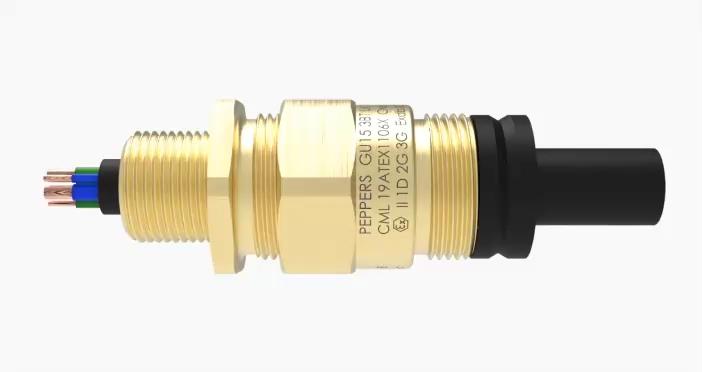
A cable gland is a mechanical device that creates a secure connection between a cable and the piece of equipment it enters. There are many different designs and materials available, but the core functions are the same:
- Mechanical retention – grips and holds the cable to prevent it pulling-out.
- Environmental sealing – protects against dust, water, chemicals, and other contaminants.
- Electrical continuity – for armoured cable glands, the gland provides an essential earth connection between the cable armour and the equipment.
- Standards compliance – in hazardous areas, glands are certified to standards such as ATEX Ex Cable Glands or IECEx Glands, which ensures safety in explosive atmospheres.
Essentially a cable gland is both protector and a safeguard – a small part that plays a critical role in the overall success of the installation.
Why do you need a Cable Gland?
Knowing the right gland required is not optional; it is fundamental to safety and compliance. Here’s why:
Safety
In hazardous environments, the wrong gland could allow sparks, gas ingress, or short circuits. Hazardous Area Cable Glands are specifically designed to stop this, creating a seal that ensures both the equipment and the people using it are protected.
Durability
Cables are constantly exposed to mechanical stress, vibration, and environmental challenges. A correctly fitted gland eases strain, avoids wear at entry points, and prevents long-term damage that could lead to costly downtime.
Compliance
Many industries are governed by stringent safety standards. ATEX Ex Cable Glands and IECEx Glands are required to meet regulatory approvals. Using uncertified or unsuitable glands risks non-compliance, fines, or failed inspections.
Adaptability
There is no one-size-fits-all solution. From armoured cable glands that provide mechanical protection, to unarmoured cable glands for general applications, to marine cable glands built to resist corrosion in saltwater environments – every installation will require a tailored solution.
Choosing the right Cable Gland
Different industries and environments demand different types of glands. Below are the most common categories:
Hazardous Area Cable Glands
For use in ATEX and IECEx zones, these glands are engineered for installations where explosive gases, dust, or vapours may be present. Peppers’ Ex Glands are trusted around the world for their reliability in even the most demanding applications.
Explosion-proof Cable Glands
Sometimes referred to as Hazex Cable Glands, these are designed to contain and isolate any explosion within the gland itself, so that it doesn’t spread into the wider environment.
Marine Cable Glands
These are specially designed to avoid long-term saltwater exposure using corrosion-resistant materials such as stainless steel. Marine Cable Glands are vital for offshore oil and gas, shipbuilding, any coastal installations.
Industrial Cable Glands
Used in factories, plants, and general-purpose installations, Industrial Cable Glands provide secure sealing and strain relief for cables in everyday industrial settings.
Common mistakes to avoid
Even the best glands won’t perform if misapplied. Common errors include:
- Using the wrong size – an undersized gland won’t grip properly, while an oversized one risks damaging the cable.
- Ignoring certification – installing a standard industrial gland in an ATEX zone is not only dangerous but illegal.
- Incorrect tightening – under-tightening risks leaks; over-tightening can damage seals and cables.
- Mixing environments – for example, using brass in a marine setting where stainless steel is required.
Why choose Peppers Cable Glands?
With over 75 years of expertise, Peppers Cable Glands provide solutions that go beyond compliance. Our glands are designed for industrial, marine, and hazardous area applications, and are independently certified to global standards including ATEX, IECEx, and UL.
- By choosing branded products like Peppers Ex Glands, you ensure:
- Proven performance in safety-critical installations.
- Full traceability and certification.
- Global support and training.
While a cable gland may feel like a small component, it plays a critical role in the success of the project it supports. From industrial cable glands on factory floors to explosion-proof glands in oil and gas installations, these fittings ensure safety, compliance, and reliability.
Crucially, without the correct Peppers Cable Gland, your installation risks non-compliance, reduced safety, and costly downtime. Choosing the right gland, and installing it correctly, is the difference between a system that lasts and one that fails when it matters most.
Please contact us to schedule a meeting:
- Phone: +44 1276 64232
- Website: cableglands.co.uk